

Home > News
Can Laundry Detergent Sheets Remove Tough Stains?
Jul. 23, 2026
Laundry Detergent Sheets can remove many everyday stains, but they are usually weaker on tough stains than liquid or powder detergents. Their main advantages are convenience, lightweight packaging, and lower transport volume, not superior stain-fighting power. For Can Laundry Detergent Sheets Remove Tough Stains?, the practical answer depends on stain type, water temperature, wash time, and whether you use pre-treatment for tough stains first.
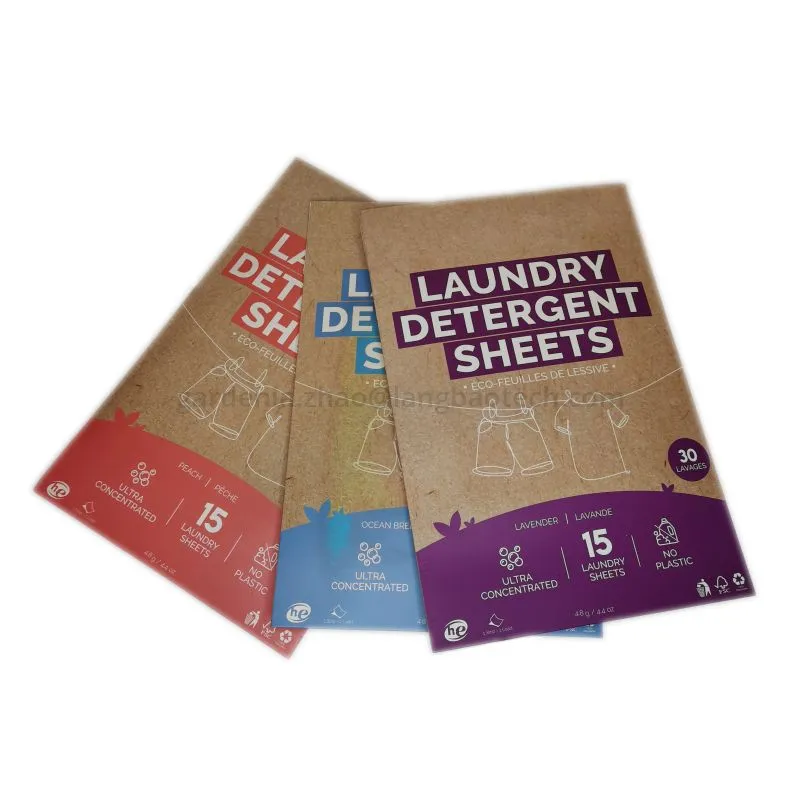
Laundry Detergent Sheets are thin, pre-measured detergent formats that dissolve in water during washing. They are designed to reduce measuring errors, simplify storage, and cut plastic packaging compared with many traditional detergent formats. In everyday use, they are most often chosen for small loads, travel, dorm rooms, shared laundry rooms, and buyers looking for eco-friendly laundry products.
What Laundry Detergent Sheets Are and Why They Matter
In the market, essecushy and similar brands position sheets as a low-mess alternative to liquid detergent. That makes them relevant for consumers comparing laundry detergent sheets vs liquid detergent and asking whether the cleaning trade-off is acceptable. The key issue is not whether sheets work at all, but whether they work well enough for the soil load you wash most often. For light daily laundry, they are usually adequate; for heavy grease, protein stains, or set-in dirt, they often need help.
What to Look for in Laundry Detergent Sheets
When evaluating detergent sheets for stain removal, start with three measurable criteria: surfactant concentration, enzyme support, and wash compatibility. A sheet that dissolves completely but contains only basic surfactants may handle sweat or light food marks, yet struggle with oil, blood, or grass stains. A stronger formula often includes enzymes, because enzyme stain remover for laundry ingredients target proteins, starches, and fats more effectively.
Water temperature and wash cycle also matter because sheet performance changes with mechanical action and dissolution speed. Cold water wash stain removal is possible with some sheets, but cold water can slow dissolution and reduce the speed at which active ingredients reach the stain. If you wash heavily soiled workwear, school uniforms, or kitchen towels, sheet format alone should not be the deciding factor.
You should also consider total cost of ownership, not just price per load. A lower-cost package can still become expensive if it requires double dosing or a second wash. Buyers comparing detergent sheets for stain removal should ask whether the product is meant for light maintenance cleaning or for deeper stain correction.
How Laundry Detergent Sheets Work on Tough Stains
Laundry detergent sheets work by dispersing surfactants into the wash water, where they help lift dirt and oils from fabric fibers. The chemistry is similar in principle to other detergents, but the formulation usually contains less water and less total mass per sheet than many liquids or powders. That means the cleaning result depends heavily on how concentrated the sheet is and how well it dissolves before the rinse stage.
For tough stains, the issue is contact time. A liquid detergent can sometimes be applied directly to a stain before the wash, while a sheet usually enters the cycle as a full-load product. That means how do laundry detergent sheets work on tough stains? In practice, they work best when you use a separate stain treatment first, then wash with the sheet at the recommended dose.
How to Remove Tough Stains Better With Laundry Detergent Sheets
The most effective method is to treat the stain before the wash cycle starts. This matters because how to remove tough stains with laundry detergent sheets is less about the sheet alone and more about the full workflow. If the stain is oil, protein, or pigment-heavy, a short pre-soak or direct spot treatment often improves results more than adding extra sheets.
A practical stain-removal sequence looks like this:
- Identify the stain type: oil, protein, dye, mud, or mixed residue.
- Rinse or blot the stain without rubbing it deeper into the fibers.
- Apply a pre-treatment product or a small amount of detergent solution.
- Let it sit for the recommended contact time, usually 5–15 minutes.
- Wash with the sheet using the warmest safe water for the fabric.
- Inspect before drying, because heat can set remaining stain residue.
This workflow is especially important for laundry detergent sheets stain removal cases involving old stains. If the stain remains after the wash, do not machine-dry the item yet. Once heat sets the stain, even a stronger detergent can have limited effect.
Quick Comparison: Sheets vs Liquid, Powder, and Pods
The comparison below reflects real differences in stain-fighting strength, not just packaging style. Buyers researching laundry detergent sheets vs liquid detergent should focus on stain severity, fabric type, and how much pre-treatment they are willing to do. For many households, the format choice is less about one product “winning” and more about which product fits the wash profile.
| Format | Core Cleaning Strength | Best For | Typical Weak Point | Price Position |
|---|---|---|---|---|
| Laundry detergent sheets | Moderate | Light daily laundry, travel, small loads | Tough stains and heavy soil | Often mid-range per load |
| Liquid detergent | Strong | Pre-treating stains, mixed fabrics, family laundry | Heavier packaging, spill risk | Wide range |
| Powder detergent | Strong to very strong | Grease, mud, hard-water areas | Dissolution in cold water if poorly formulated | Often cost-efficient |
| Pods | Moderate to strong | Convenience-focused households | Less flexible dosing and pre-treatment | Usually premium per load |
If your main goal is stain removal, liquid and powder still hold an advantage in most side-by-side tests. Sheets can be competitive on ordinary body soil, odor, and daily wear, but they are not usually the first choice for stains that have set for days. That is why many users keep sheets for routine washing and a separate stain remover for problem items.
Best Use Cases by Stain Severity and Laundry Type
The strongest case for sheets is not “maximum cleaning power”; it is convenience with acceptable cleaning for lighter loads. For underwear, T-shirts, pajamas, and lightly soiled office clothes, sheets are often sufficient when used at the correct dose. For travel and dorm use, the compact format also reduces the need to carry heavy liquid bottles.
For buyers asking are laundry detergent sheets worth it or looking for laundry detergent sheets best practices, the answer depends on laundry type. Single adults, frequent travelers, and small households often benefit most because they wash smaller loads and generate less heavy soil. Families with sports uniforms, greasy kitchen textiles, or outdoor workwear may still want liquid or powder available for the dirtiest loads.
Are Laundry Detergent Sheets Actually More Sustainable?
They can be more sustainable in specific dimensions, but the claim is not automatic. Many sheets use less packaging material than large plastic jugs, and lower shipping weight can reduce transport emissions per load. That is the strongest argument for eco-friendly laundry products in sheet format.
However, sustainability should be judged by the whole system. If a sheet requires two cycles to clean what one liquid wash can handle, the water and electricity footprint may offset some packaging gains. If a buyer uses a concentrated liquid in a refill system, the environmental gap can narrow further. So the best answer is that sheets can be more sustainable on packaging and logistics, but not always on total resource use.
When Laundry Detergent Sheets Are Not the Best Choice
Sheets are a weaker option when the stain is old, dense, or chemically complex. Examples include dried blood, grease from cooking, heavy clay, engine residue, and large protein stains from food or bodily fluids. These cases often benefit more from liquid detergent, powder detergent, or a dedicated stain treatment.
Sheets are also less ideal when you need flexible dosing. A heavily soiled work shirt may need more cleaning action than a lightly worn blouse, and liquid or powder makes adjustment easier. If your washing routine includes repeated heavy-duty loads, relying only on sheets may increase the number of rewashes, which raises water, energy, and labor costs.
What the Performance Trade-Off Means in Real Use
The real performance question is not whether sheets are “good” or “bad,” but what percentage of your loads they can handle without backup products. For light-to-moderate laundry, the answer is often most of the weekly wash. For stain-intensive households, they may cover the easy loads while leaving 20% to 40% of items to a stronger cleaner, depending on fabric mix and stain frequency.
This is where laundry detergent sheets review language should stay practical. A useful sheet product should dissolve fully, clean ordinary soil at the stated dose, and avoid residue on fabric or in the machine. If it leaves film, underperforms in cold water, or needs extra pieces for normal loads, the cost per effective wash rises quickly.
How to Choose Laundry Detergent Sheets
When comparing products, start with the label rather than the packaging design. Look for clear dosing instructions, stain-focused ingredients, and compatibility with your machine type. If a sheet does not specify whether it works in cold water or high-efficiency washers, that is a warning sign for buyers who want predictable results.
Use this checklist when comparing options:
- Check stain focus: Look for enzymes if you wash food, sweat, or protein stains.
- Check load size guidance: One sheet for a small load may not be enough for a large load.
- Check water compatibility: Cold water wash stain removal should be stated clearly if that is your routine.
- Check packaging claims: Less packaging does not automatically mean better total sustainability.
- Check return on cost: Compare cost per effective wash, not just box price.
For shoppers searching what are the best laundry detergent sheets, the best product is usually the one that matches your actual stains, water temperature, and load size. A sheet that works well on light laundry but fails on family sports gear is not a good fit for every home.
Economic Benefit Analysis for Buyers
Sheets can reduce storage space and simplify buying decisions, which is a real operational benefit for small households and travel kits. A traveler who replaces one liquid bottle with a flat pack saves both weight and spill risk. A dorm resident also benefits from easier storage in a limited space.
From a cost perspective, the main question is cost per cleaned load, not cost per pack. If sheets are priced competitively but need repeated washing on tough stains, the effective cost rises. Buyers evaluating laundry detergent sheets pricing should calculate the load count they truly get under normal conditions, then compare that number with liquid and powder options used at their standard dose.
Who Benefits Most From Laundry Detergent Sheets
Sheets make the most sense for people who wash small to medium loads, travel often, or value simple storage. They are also useful for users who want a cleaner-looking laundry setup with no spills or measuring cups. For these buyers, the cleaning trade-off may be acceptable because their typical soil level is low to moderate.
They are less suitable for households that regularly wash kids’ sports clothes, restaurant uniforms, workshop gear, or heavily stained towels. In those situations, a stronger detergent format can reduce rewashes and stain persistence. If your laundry includes frequent hard-to-remove stains, keeping sheets as a backup product is often more practical than making them the only product you use.
Brand and Manufacturer Considerations
When reviewing brands such as essecushy, the same buyer logic still applies: ask whether the formula is built for routine laundry or heavy stain removal. A brand can improve user experience through packaging, dosing simplicity, and storage convenience, but the chemistry still determines stain outcomes. That is why a manufacturer’s product description should be judged against actual laundry needs, not only marketing language.
If you source for a small business, hospitality setup, or shared-use environment, consistency matters even more. You want stable sheet size, predictable dissolution, and repeatable dosing. For these buyers, the most important metric is not whether a product looks modern, but whether it removes the target stain class at a measurable rate without creating residue or rewashes.
Final Thoughts
Can Laundry Detergent Sheets Remove Tough Stains? Yes, they can remove many tough stains when you match the product to the stain type, use proper dosing, and add pre-treatment for tough stains when needed. They are usually strongest for light daily laundry and weakest against heavy grease, old stains, and deeply set soil. Their biggest advantages are convenience, reduced packaging, and easier storage, not the highest cleaning power.
If you are choosing between sheet, liquid, powder, or pod formats, start with your real laundry profile. Use sheets for everyday loads, travel, dorms, or small households where convenience matters more than maximum stain strength. Keep a stronger stain remover or a more powerful detergent format for sports gear, work clothes, and heavily soiled fabrics. For buyers comparing laundry detergent sheets guide options, that combination usually delivers the most practical balance of cleaning, cost, and ease of use.
FAQ
Q: Can laundry detergent sheets remove tough stains as effectively as liquid or powder detergents for bulk laundry orders?
A: Laundry detergent sheets can handle everyday soil and light stains well, but they are usually less effective than liquid or powder on grease, blood, grass, and set-in stains. For buyers, the key decision is whether your laundry mix is mostly routine loads or includes frequent heavy-stain items. If your sourcing needs include stronger stain performance, sheets are better as a convenience-focused option rather than the only cleaning format.
Q: What types of laundry loads are best suited for detergent sheets in commercial or retail supply planning?
A: Sheets are best suited for light-to-moderate laundry, small loads, travel kits, dorm use, and low-mess everyday washing. They are a practical choice for customers who value compact packaging, easy dosing, and simple storage. For heavily soiled uniforms, sports gear, or workwear, many buyers still keep a stronger detergent format alongside sheets.
Q: What should buyers check when selecting laundry detergent sheets for stain removal performance?
A: Buyers should evaluate surfactant strength, enzyme support, water-temperature compatibility, and dosing guidance. Enzymes are especially important if the target stains include protein, starch, or fats. It is also important to confirm whether the product is designed for cold-water washing and whether one sheet is sufficient for the intended load size.
Q: Are laundry detergent sheets a good fit for OEM or private-label product lines focused on eco-friendly laundry products?
A: Yes, if the target market values convenience, reduced packaging, and lower shipping volume. Sheets fit well in eco-friendly and travel-oriented product lines, but they should be positioned honestly as a moderate-cleaning format rather than a maximum stain-removal solution. Buyers should align the product claim with the actual laundry profile they want to serve.
Q: Can detergent sheets be used for customers who need both convenience and acceptable stain removal, or should they also buy a stronger stain remover?
A: For many routine loads, sheets are enough when used at the recommended dose. However, for old stains, grease, and other tough spots, a separate pre-treatment or stronger detergent is often necessary. Buyers planning a complete laundry assortment should consider sheets for everyday use and a stronger formula for problem stains, which improves overall performance and reduces rewashes.
Previous: Can Laundry Detergent Sheets Be Cut in Half?
Next: Are Laundry Detergent Sheets Suitable for HE Washing Machines?
-

Fabric Softener Sheets vs Liquid: Pros and Cons
Dec. 15, 2025
-

-

Fabric Softener Sheets Manufacturer: What to Look For
Nov. 06, 2025
-

-

-

Guide to Fabric Softener Sheets Manufacturer
Mar. 05, 2026
-

-

Review of Eco Friendly Baby Laundry Sheets
Mar. 04, 2026
-

-


